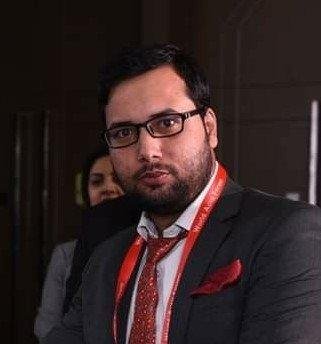
About web application development in Rajshahi
In an education city full of coders, the hard part isn't building the app — it's finding someone who's still here when it breaks.
Rajshahi has a strange problem for web application development, and it comes straight from what the city is. RUET and Rajshahi University pump out genuinely capable CSE and programming talent every year — so when a coaching centre, a clinic or a silk house needs a web app, there is always a sharp final-year student willing to build it cheap for the line on his CV. The app gets built. It even works on launch day.
Then he sits for BCS, lands a job in Dhaka or goes abroad for a master's, and by the time your admission form silently stops saving submissions, the only person who understood the code is unreachable. I have been hired to rescue that exact situation more than once. The build was never the expensive part. Being orphaned was.
That is why I frame this differently from a website. A website that breaks is a slow page; you lose a little polish. A web application that breaks loses data, locks people out, and double-books — a coaching portal that drops form submissions in peak admission weeks loses students you will never get back, a diagnostic chamber's booking system that double-books a slot loses a patient and a reputation, an exporter's order dashboard that miscounts stock during mango season loses a foreign buyer mid-deal.
Software has logic that fails and data that must not be lost, so the question that actually matters in Rajshahi is not who can build it cheapest — it is who will still be on WhatsApp when it matters most. With me you get one senior operator who scopes the data model, designs the screens, writes the front-end and back-end, wires bKash or Nagad if you take money, tests it under real load, and is the same person you message at 11pm in admission week.
One thread of accountability, not a relay of people who each owned a piece and then left.
Around five years of building web applications and sites for Bangladeshi businesses has taught me that the Rajshahi brief is its own thing — education-heavy, season-driven, and watched closely on budget. A lot of what people here call a 'web app' is really a website with a login bolted on, and I will tell you honestly on the first call which one you actually need, because paying application money for a brochure site is the most common way money gets wasted in this market.
If your idea is a real tool — people log in, data is stored, logic runs, different roles see different things — then it is software, and software is built and owned, not rented from a script you cannot read.
Pricing is fixed and staged to what you are genuinely building. The 50,000 BDT floor and the 90,000 and 1,50,000 BDT tiers cover sites and lighter app-like work — a booking section, a member area, a structured portal layered on a strong site. A real custom web application — proper user roles, a real database, dashboards, business logic, automated payment and order handling — starts from 3,00,000 BDT, because that is software engineering, not theming.
Always 50% advance and 50% on launch, by bKash, Nagad or bank transfer, and you approve the full design before I write the logic behind it. The price is the same here as it would be in Dhaka — you are simply not funding a Gulshan office, and you are not gambling on someone who treats your business as a portfolio piece he will abandon at graduation.
See pricing in BDT